Cinematic and atmospheric photo templates
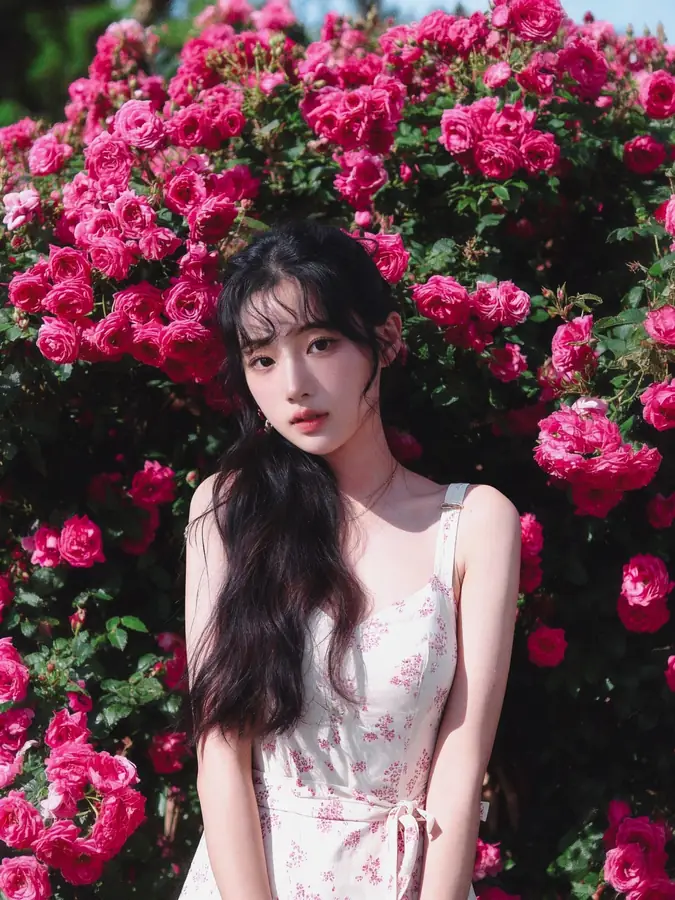
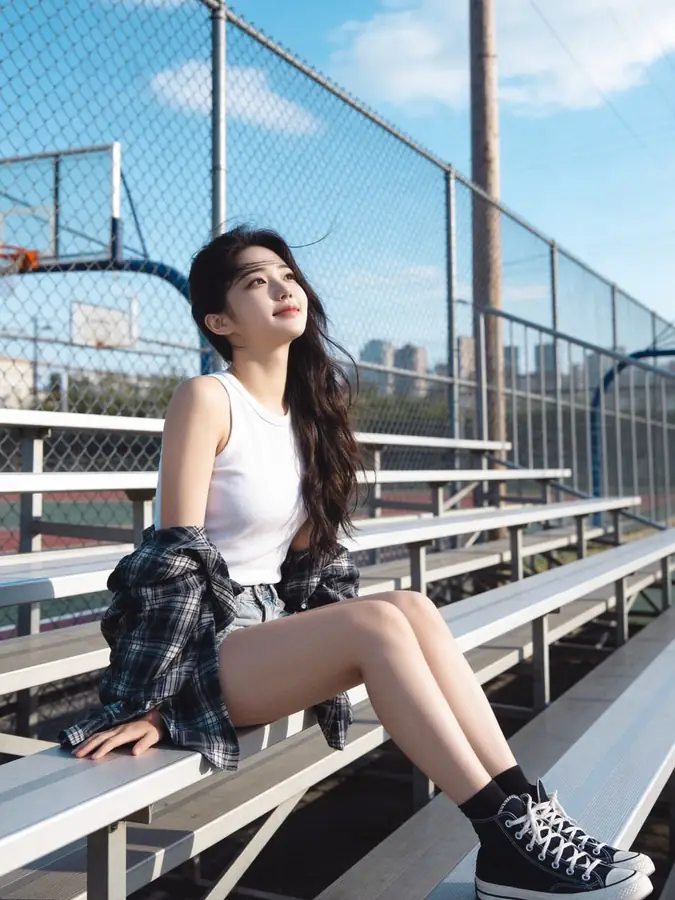
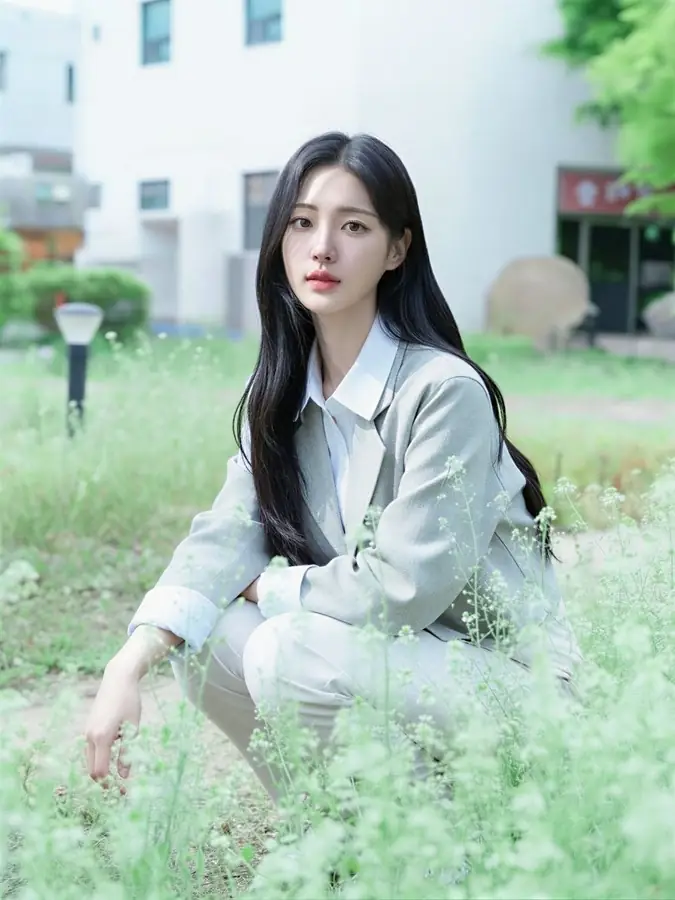
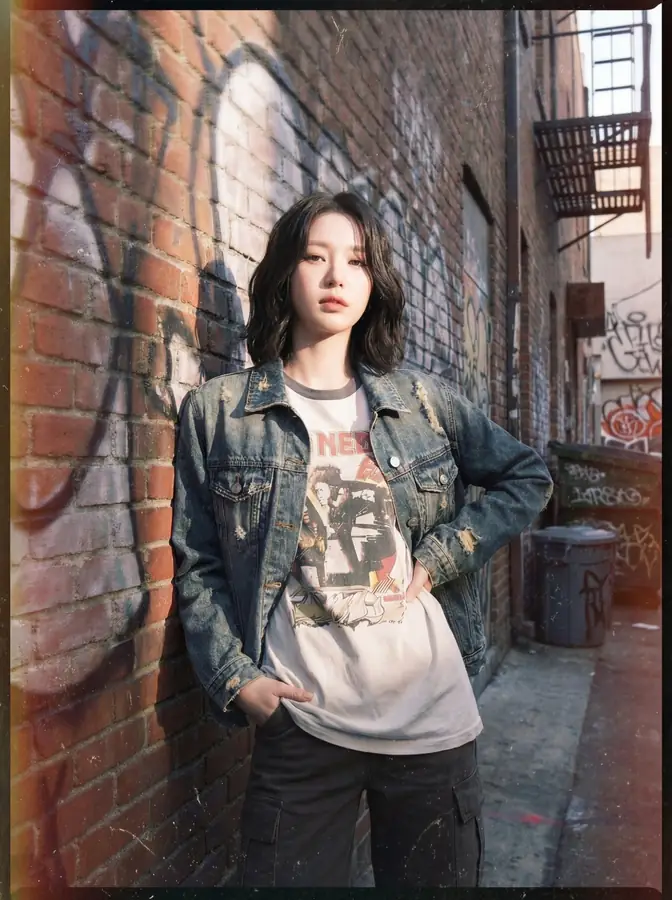
Strong colour, deliberate light and a setting that carries mood — closer to a frame from a film than a snapshot. Vibe Snap is the category to open when the feeling of a photo matters more than a plain likeness.
Start creating










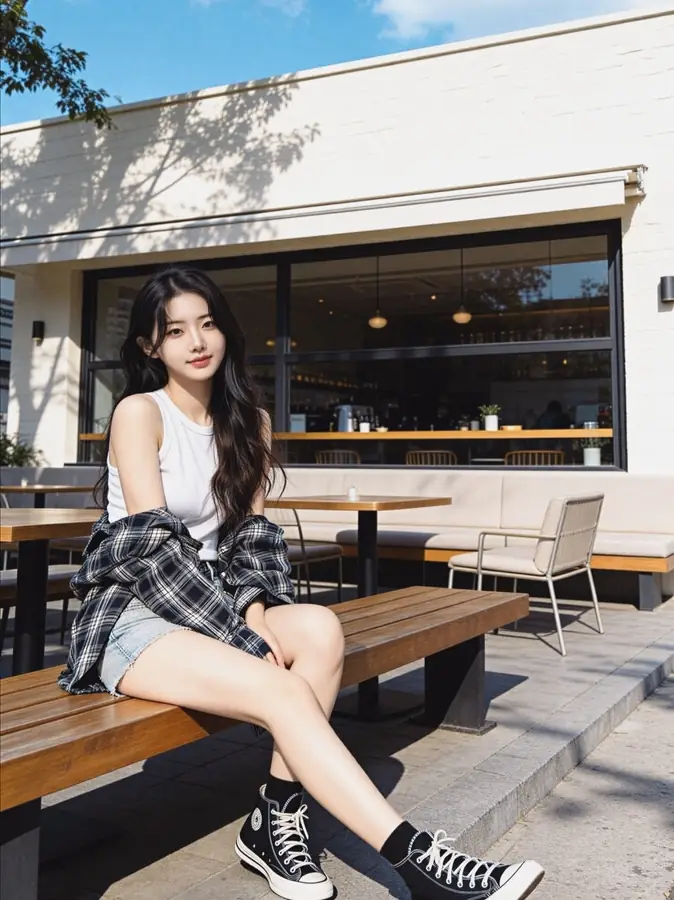
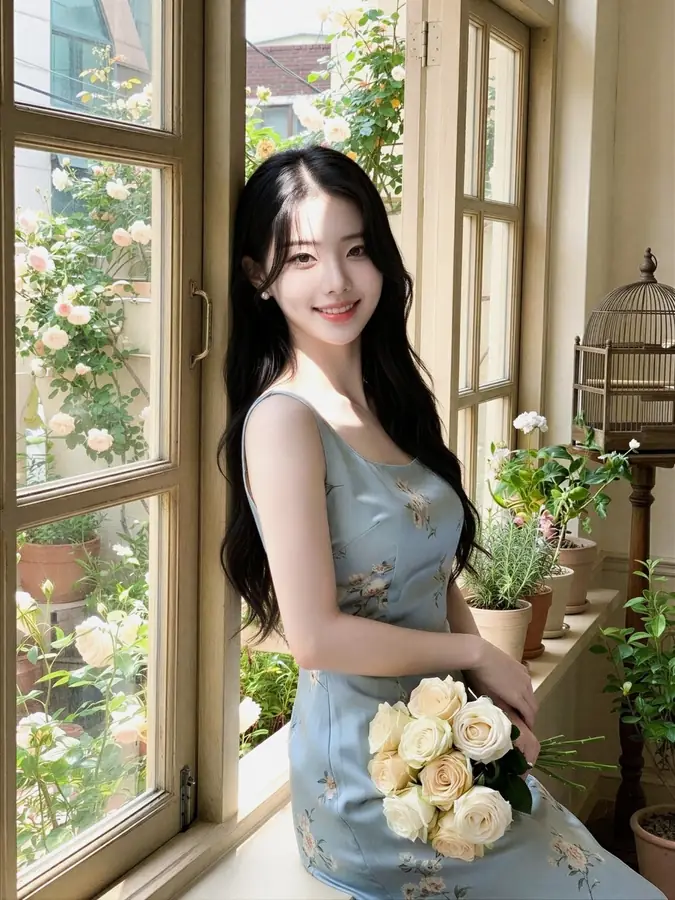



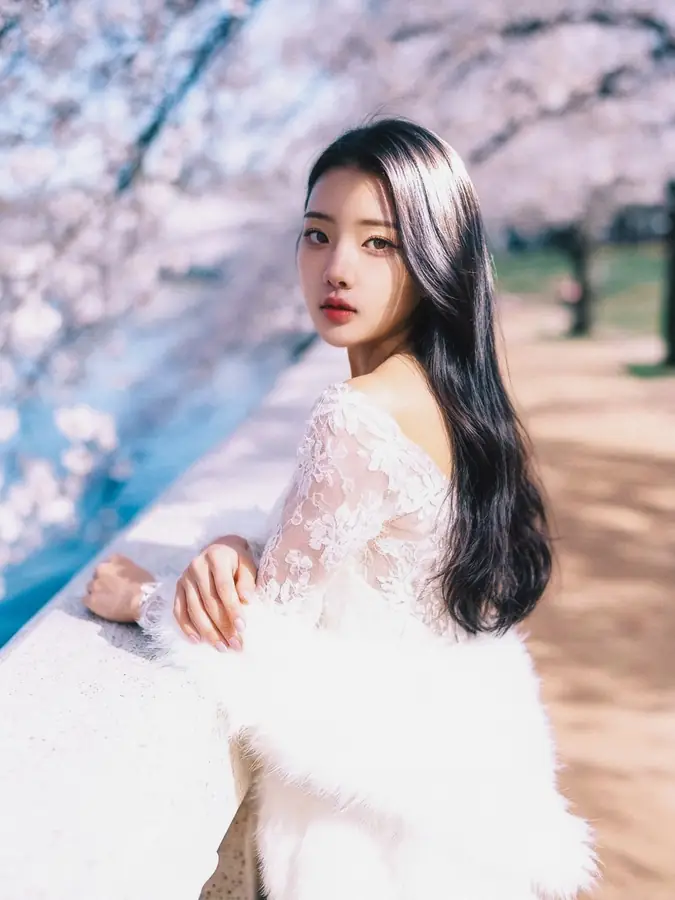




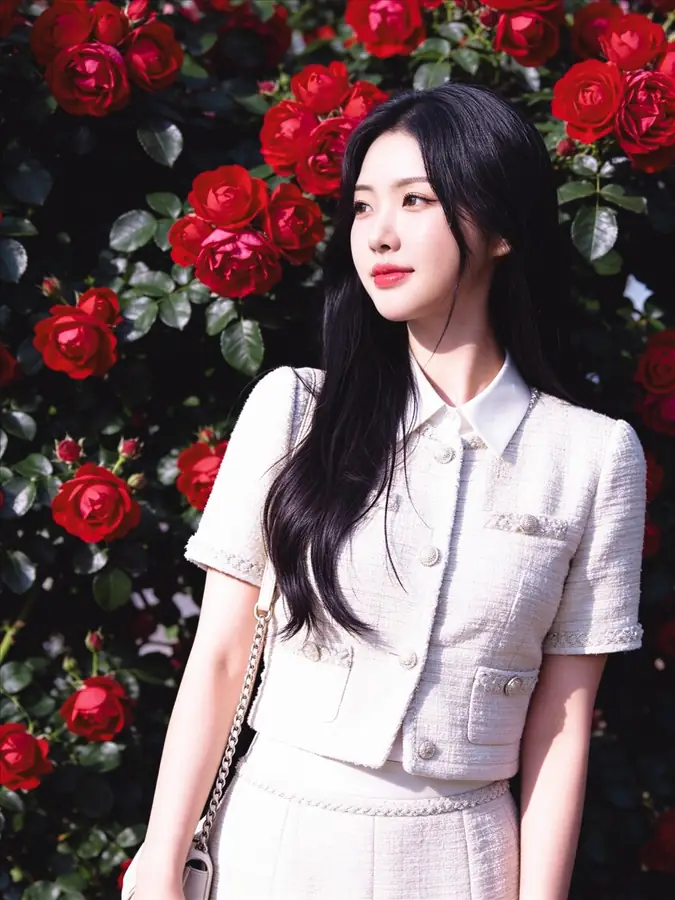






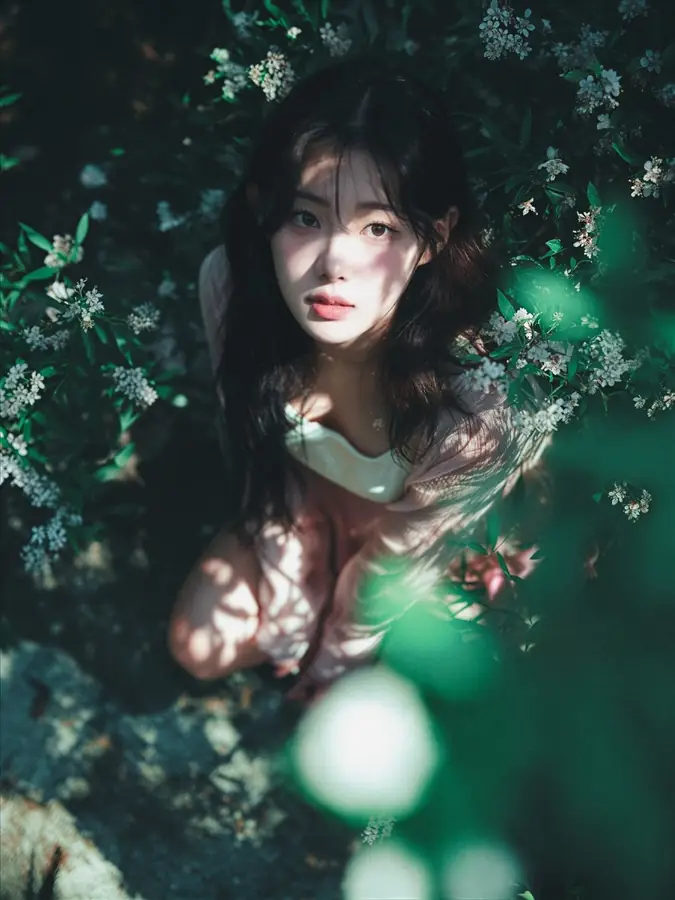

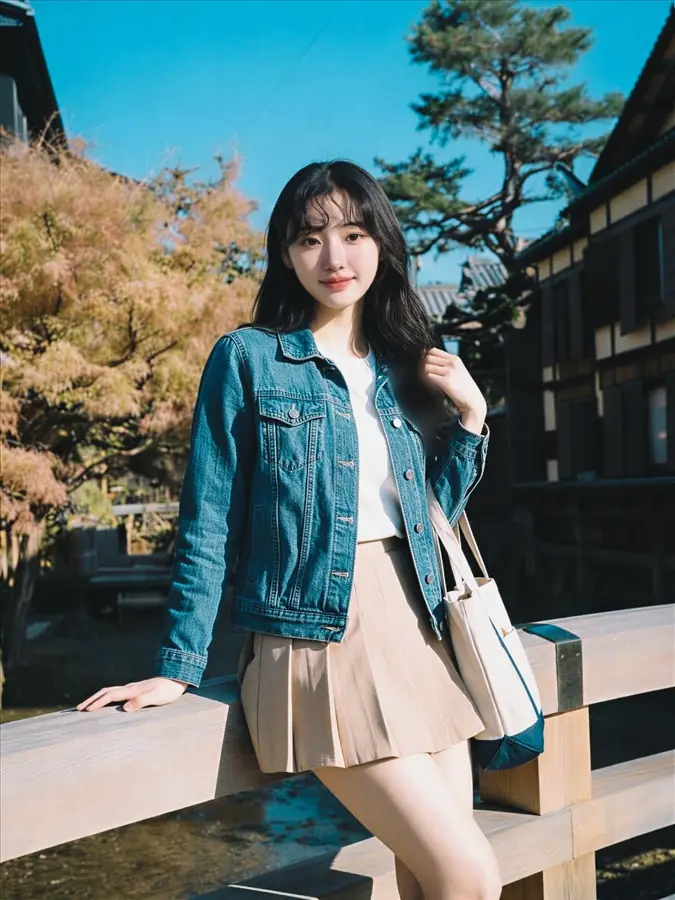


Colour is doing most of the work
Warm sodium street light, cool blue dusk, a saturated interior, one hard colour cast laid across the whole frame — these are the decisions that separate an atmospheric photo from a merely well-exposed one. The templates here commit to a palette instead of correcting back toward neutral, which is exactly what an ordinary camera and an ordinary phone spend their processing budget undoing.
A film still, not a snapshot
Cinematic framing puts you inside a scene rather than in front of a background: off-centre composition, something in the foreground, light arriving from somewhere specific, and activity at the edges. It reads as a moment that was caught rather than arranged, even though every element was chosen. That is a genuinely different result from a portrait, and worth knowing before you pick one.
What you trade for mood
A high-contrast, heavily coloured photo is less legible than a neutral one. It is a worse profile picture and a worse headshot, and it is meant to be. Use these where a feed, a cover image, an artist page or a post is competing for attention against dozens of other photographs. Where you need to be recognised rather than noticed, the everyday and profile templates are the better tools.
Common questions about templates
- Will I still look like myself?
- Yes — the face model stays constant across every template in the catalogue. What changes is the light falling on it, and that matters more than people expect: strong side light and saturated colour can make a familiar face look different in a real photograph too. If a result reads as not quite you, the light is usually the reason rather than the likeness.
- What actually makes a photo look cinematic?
- Light and colour, far more than the camera. Films control where light comes from, let shadows stay dark instead of lifting them, and hold one colour palette across a scene. Phone cameras default to the opposite — brightening shadows, neutralising colour — which is why an untouched phone photo rarely looks like film.
- Do any of these work in daylight?
- Several do. The category is not only night: overcast light, hard midday shadow and low afternoon sun are all atmospheric in their own right. Night and interior templates dominate simply because artificial light is easier to make dramatic.
Browse by category
Make your first photos free
Free credits on every new account, on iPhone, Android and the web.