Direct-flash night photo templates
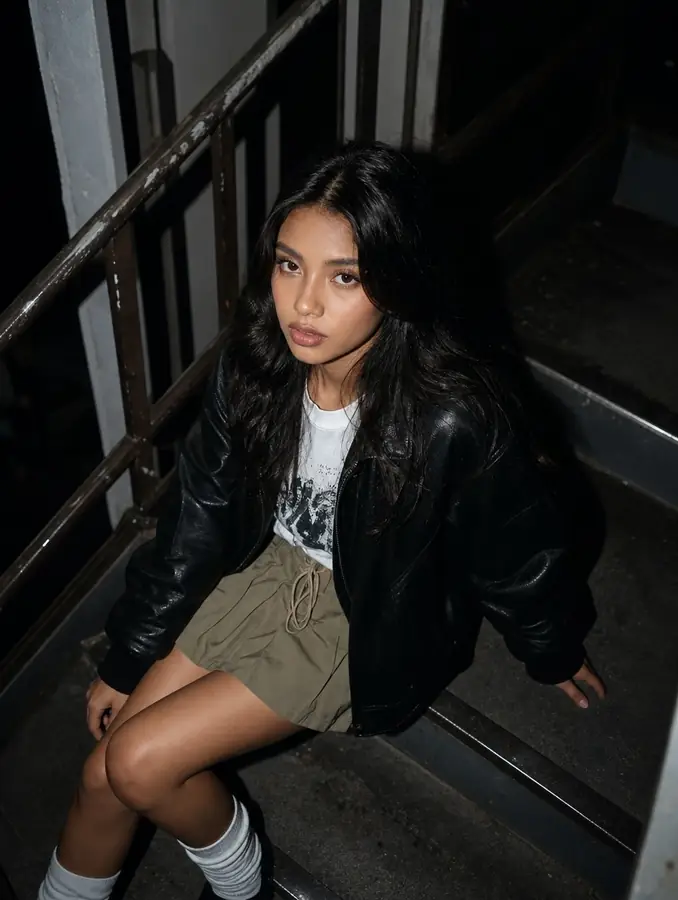
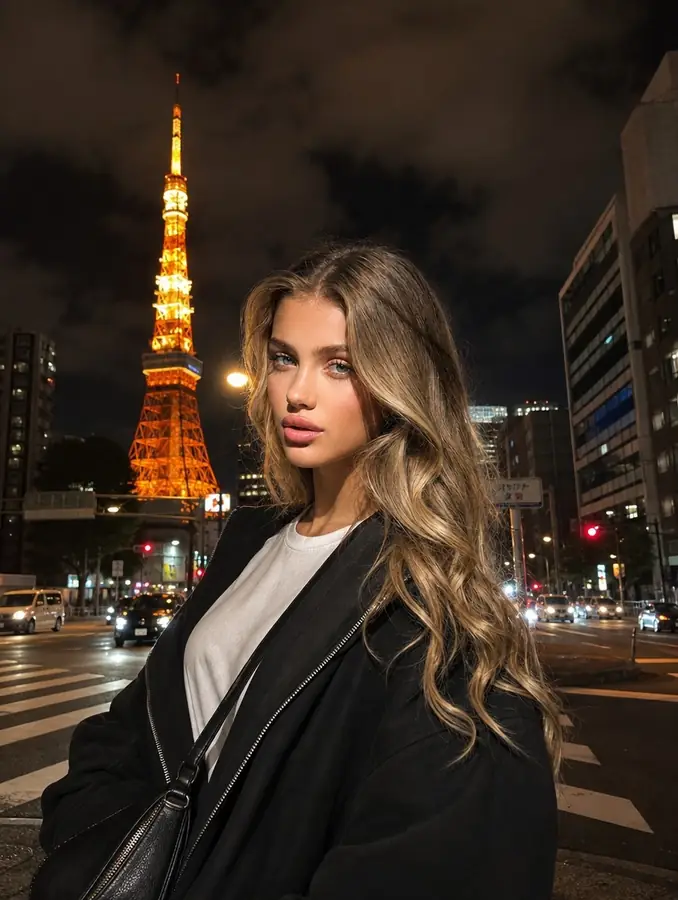
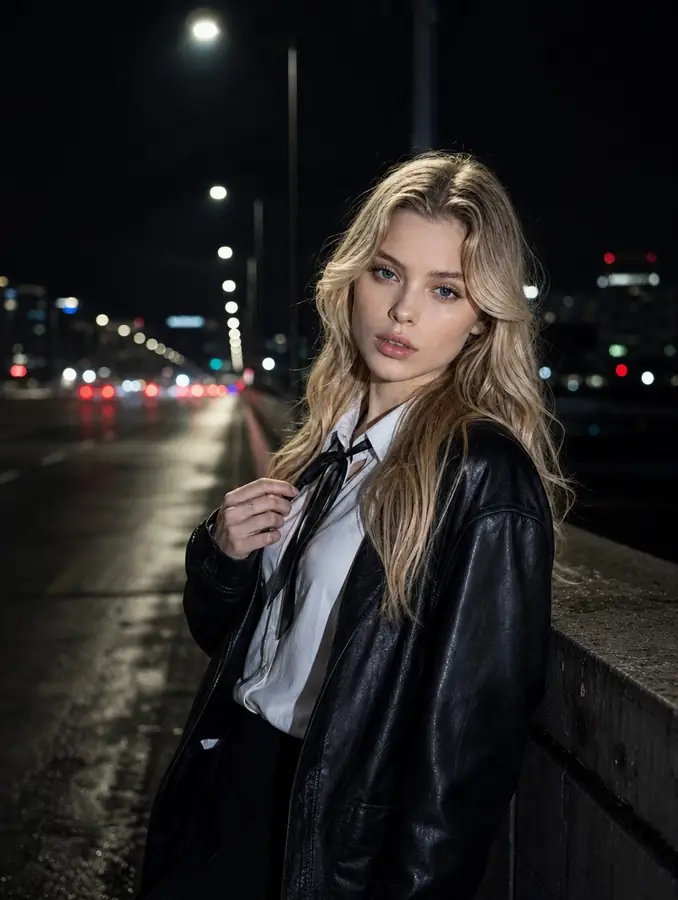
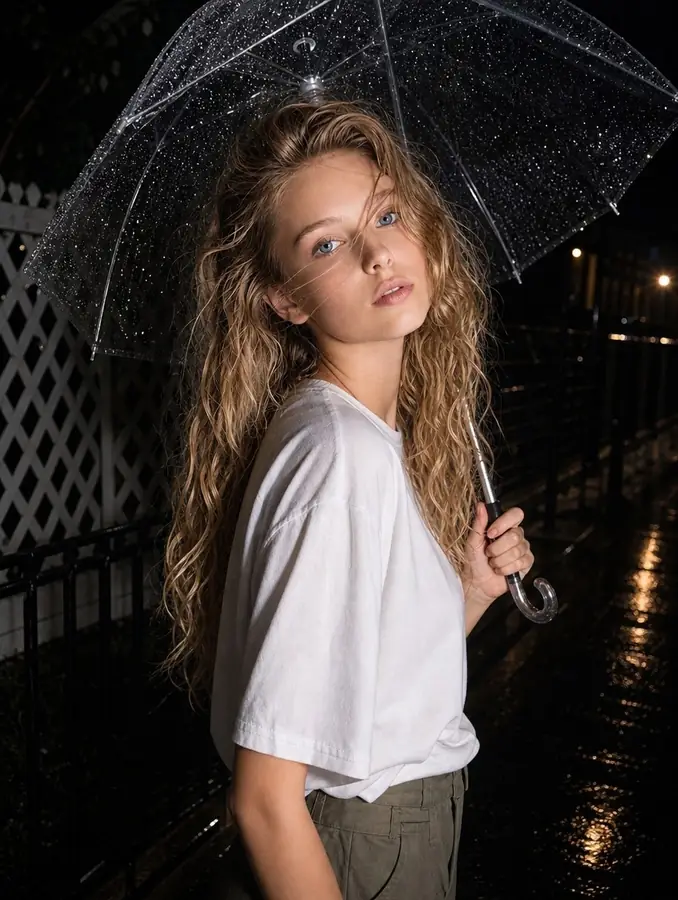
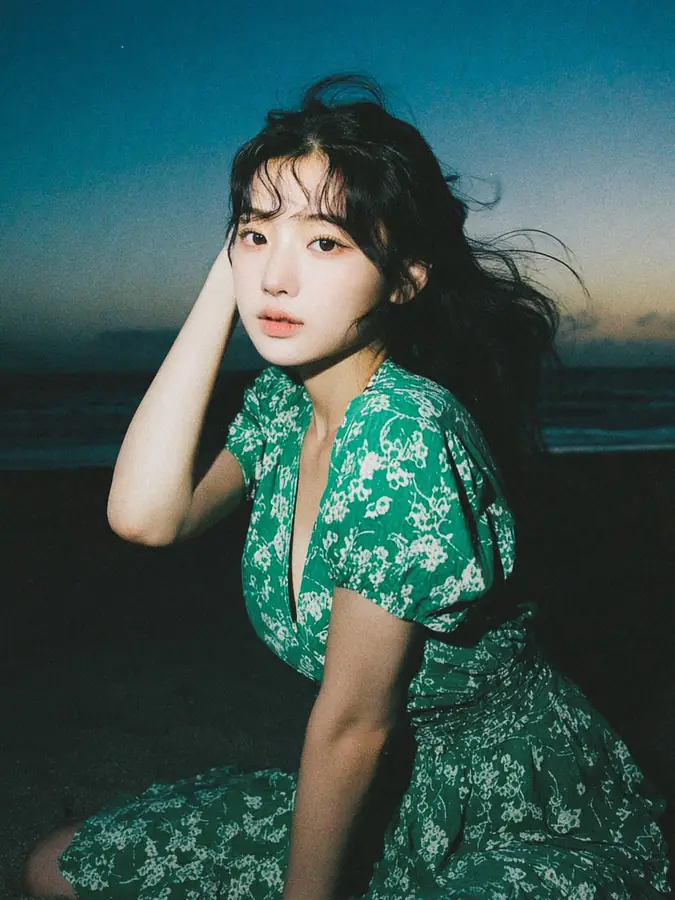
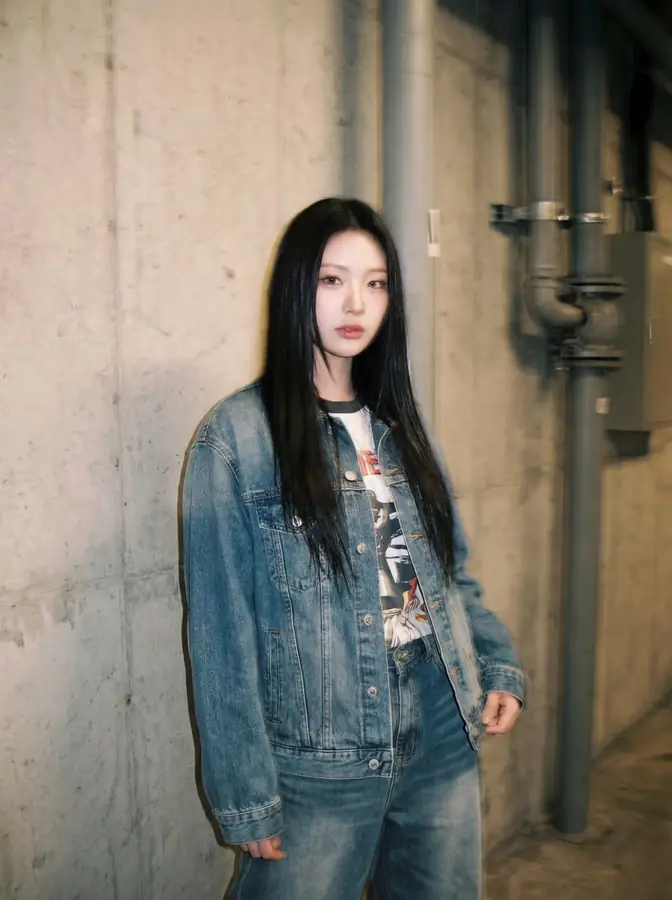
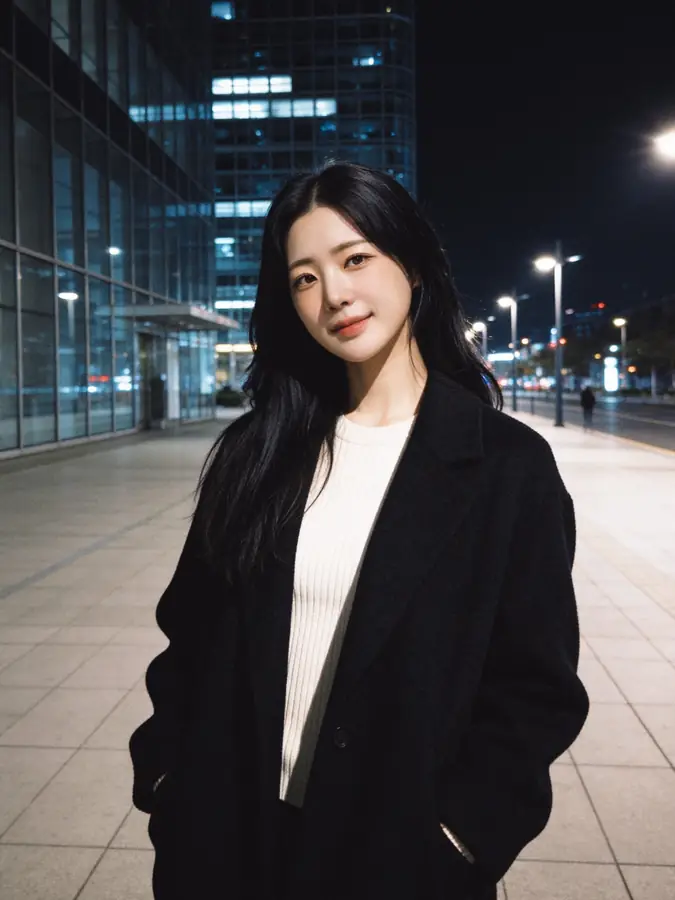
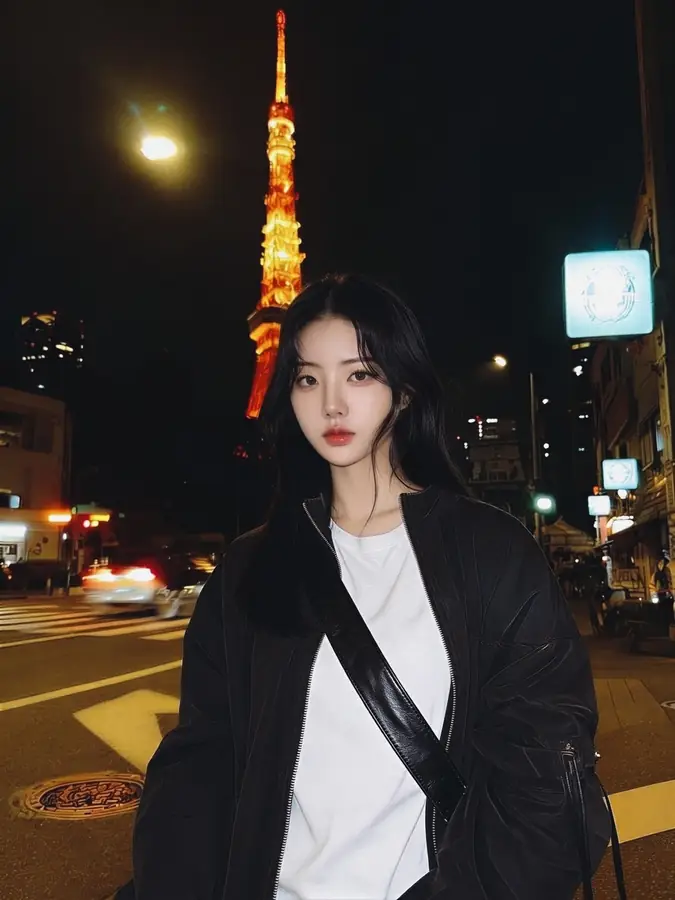
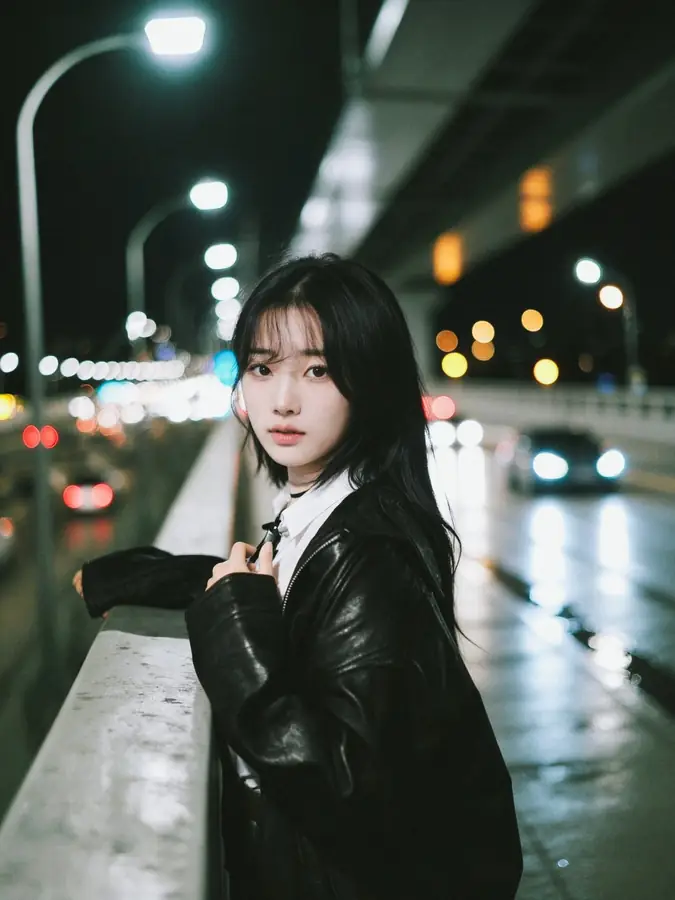
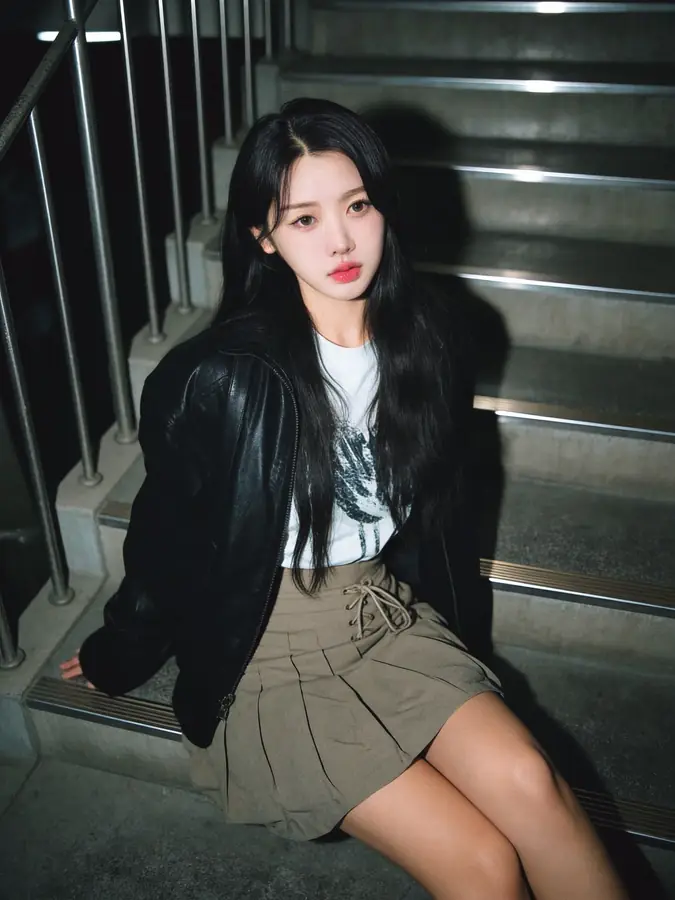
Hard on-camera flash, deep shadows, a bright subject against a dark background — the look of a cheap point-and-shoot at night. Flash Snap is the least polished category in the catalogue, and that is the entire appeal.
Start creating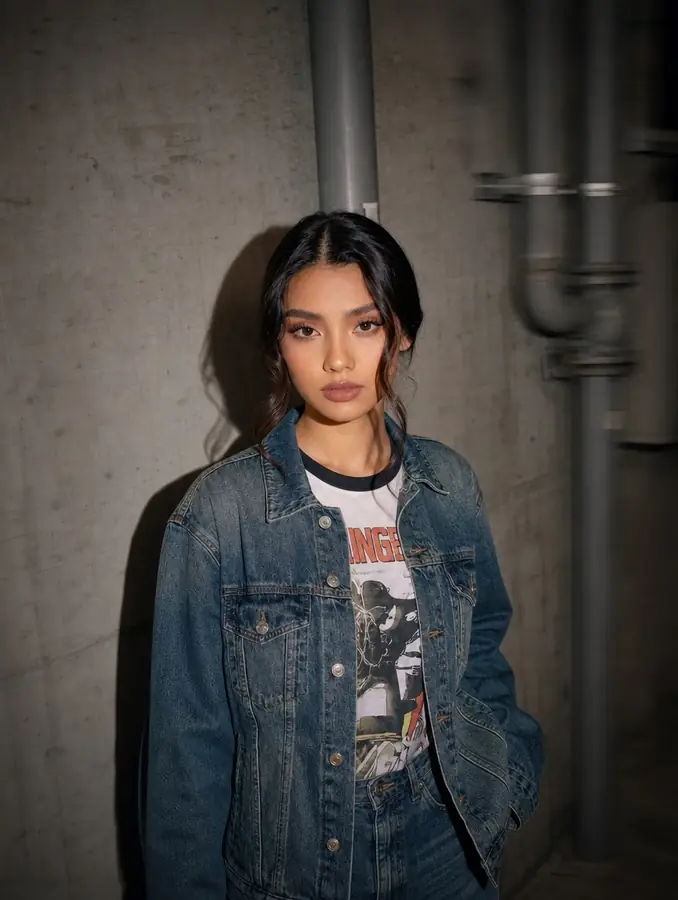



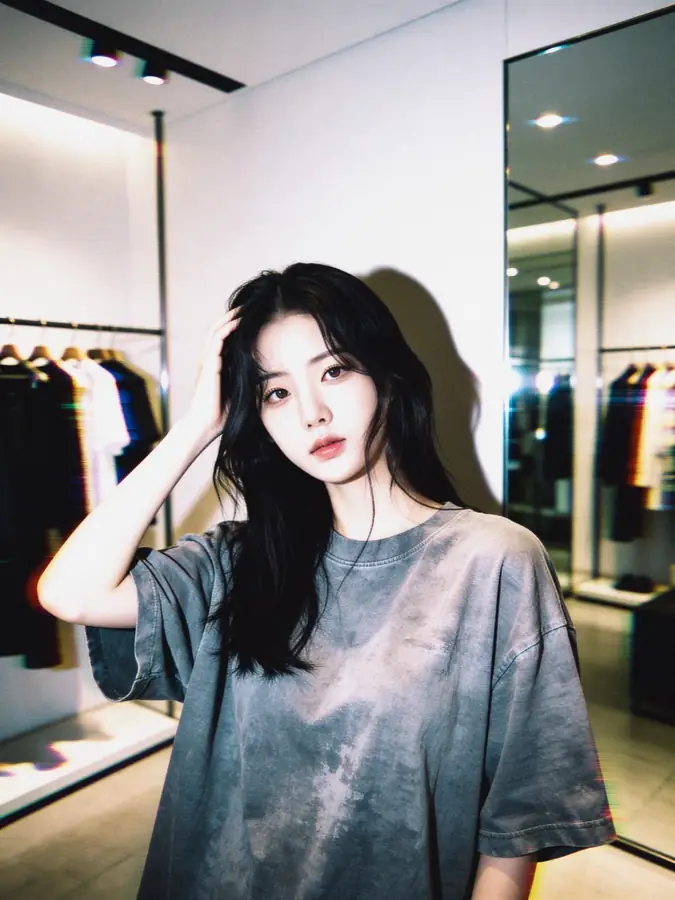
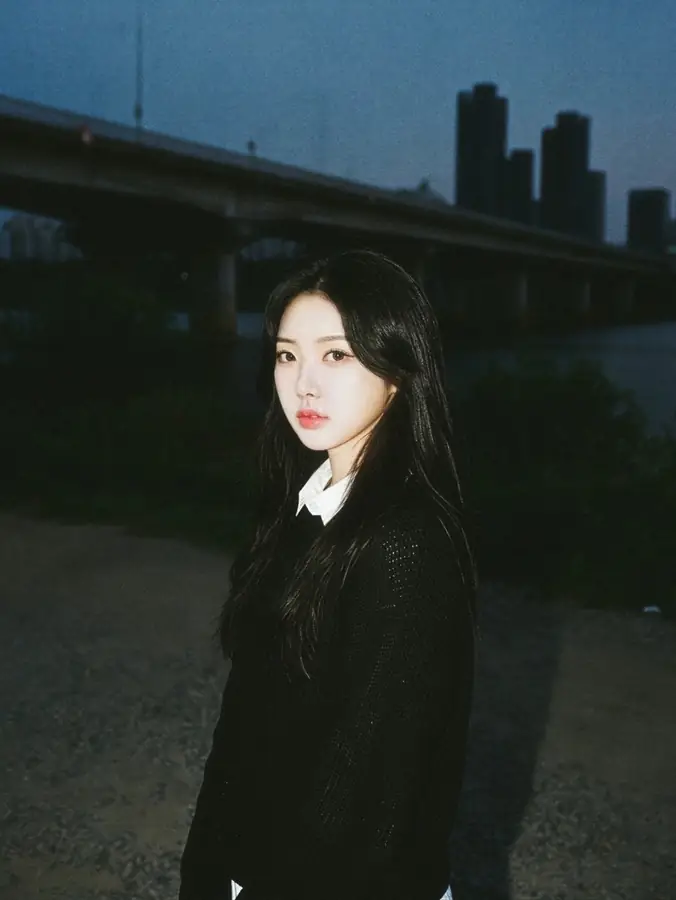
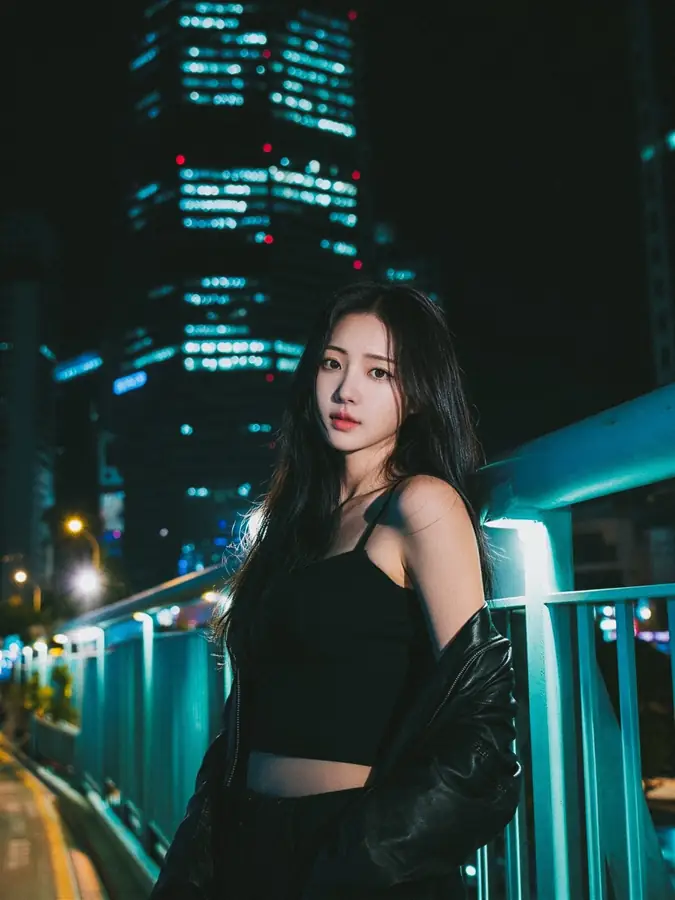
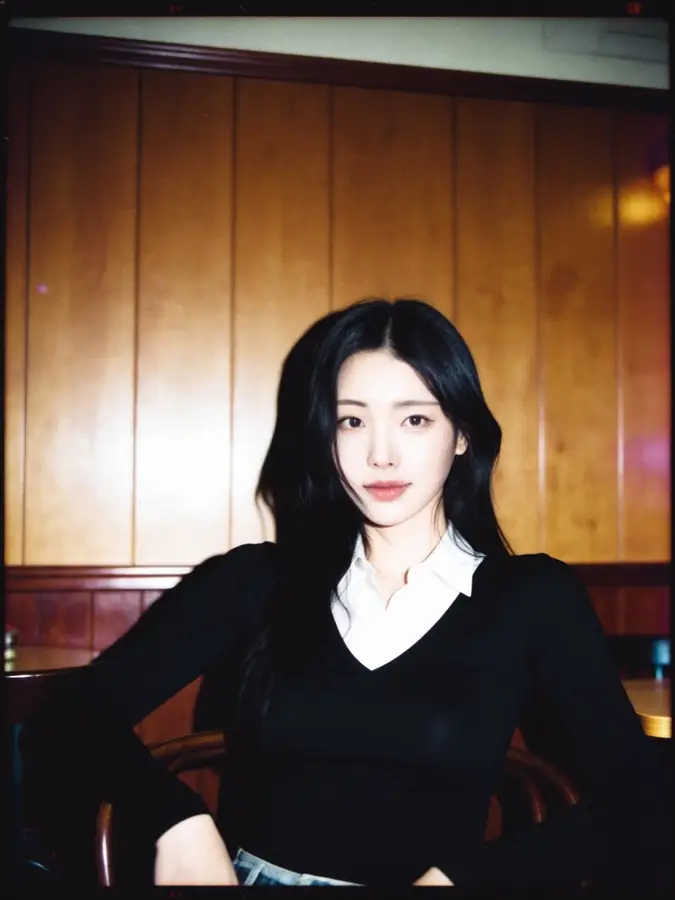




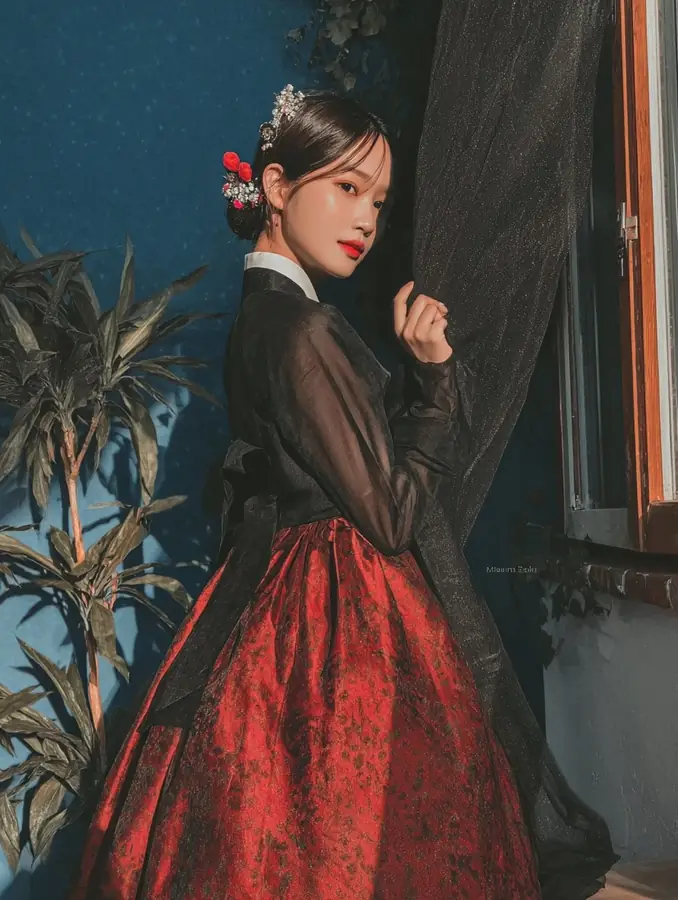

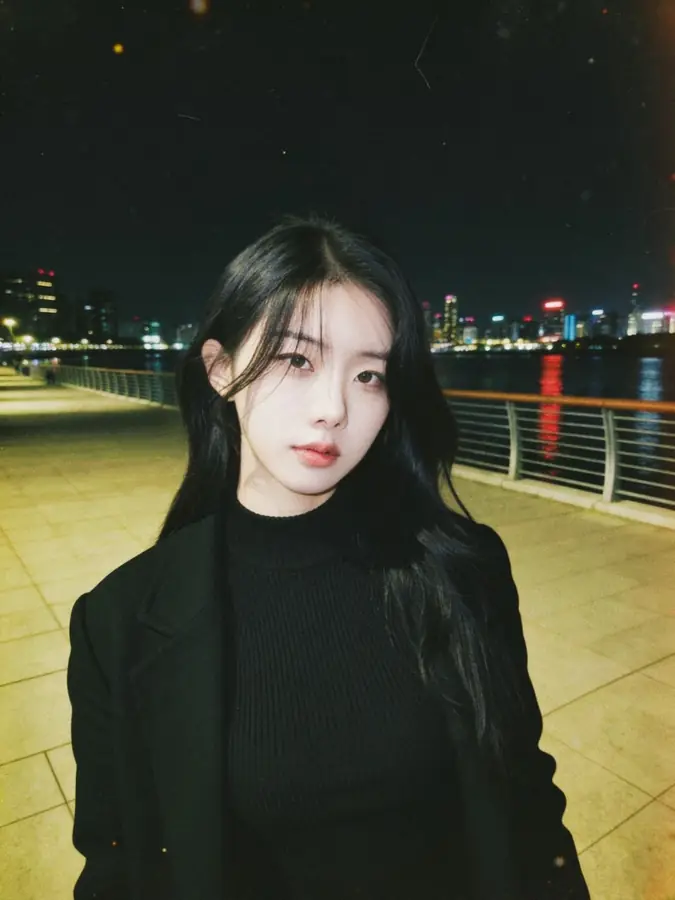
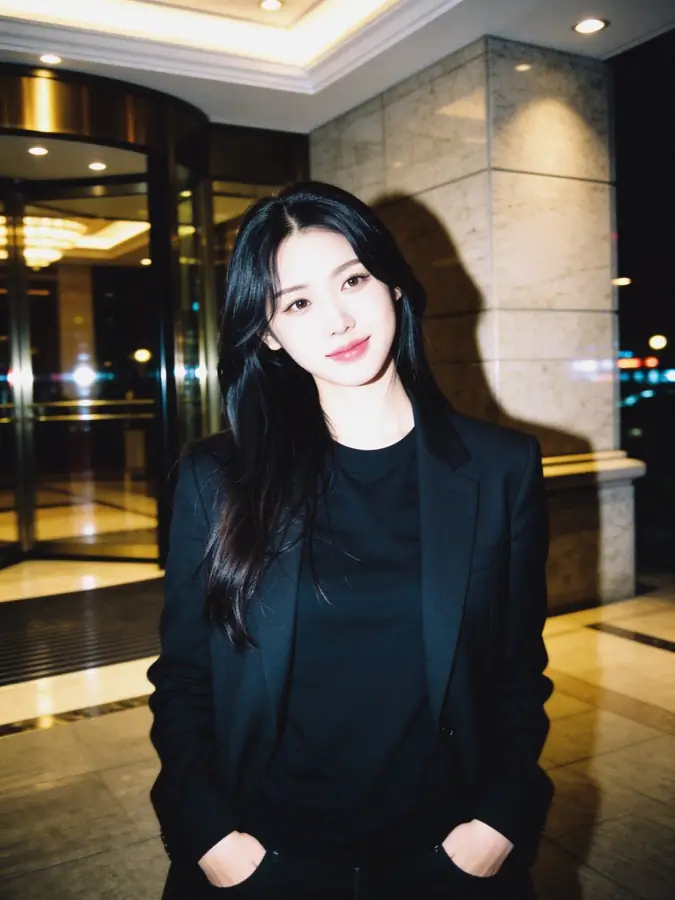
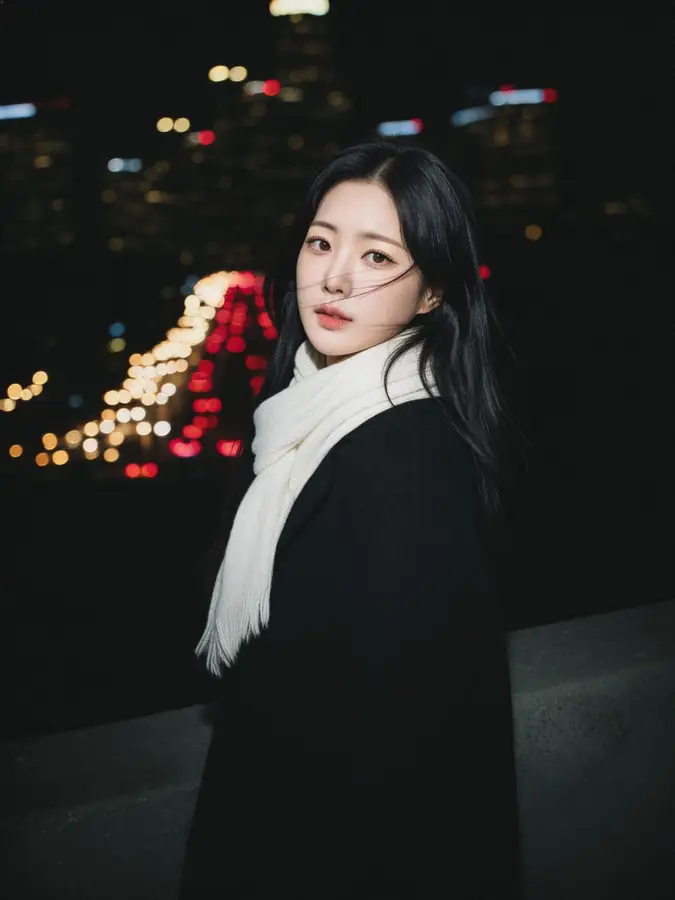

What direct flash actually does
A flash sitting next to the lens throws light straight down the axis you are looking along. It flattens the face, blows out the nearest surfaces, crushes everything past a couple of metres to black, and casts a hard-edged shadow on any wall behind you. Photographers spent decades avoiding all of that with bounced and off-camera light — which is precisely why it now reads as unfiltered.
The compact-camera look, and why it came back
The aesthetic belongs to the compact cameras of the 2000s: fixed flash, no bounce, a small sensor and no attempt to flatter anyone. It returned because everything else got too clean. Phones now smooth skin, lift shadows and balance colour automatically, so a photo that refuses all three signals that the moment mattered more than the picture did.
Night, motion and mess
The settings in this category are bars, streets after dark, back seats, house parties and stairwells — places where a flash is the only reason a photograph exists at all. Slight motion blur, awkward framing and a brightness bordering on red-eye are features rather than defects. A template that tidies those away stops reading as a flash photo.
Common questions about templates
- Is this a filter applied over a photo?
- No. Nothing here is laid over an existing picture — each result is generated from your face model with the flash, the setting and the framing built in from the start. That is why the shadows fall correctly against the background instead of sitting on top of the image, which is the thing a filter cannot do.
- Do these work in daylight?
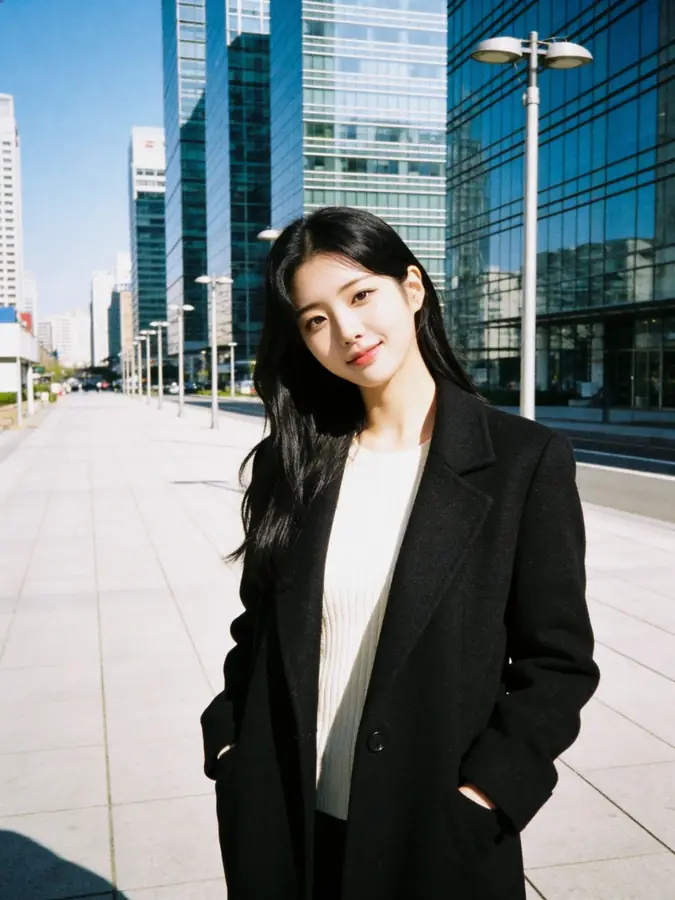
- Rarely, and that is a property of flash rather than a limit of the templates. Direct flash only registers as an effect when it is brighter than the light already there, so in daylight it disappears and you are left with an ordinary photo. For a daytime look with character, the atmospheric templates are the right place.
- Why is the harsh look popular again?
- Because it is the opposite of an optimised photo. A decade of automatic retouching made polished images the default, and a default is by definition unremarkable. A hard flash frame reads as a real night that actually happened — the same reason film grain and light leaks came back before it.
Browse by category
Make your first photos free
Free credits on every new account, on iPhone, Android and the web.